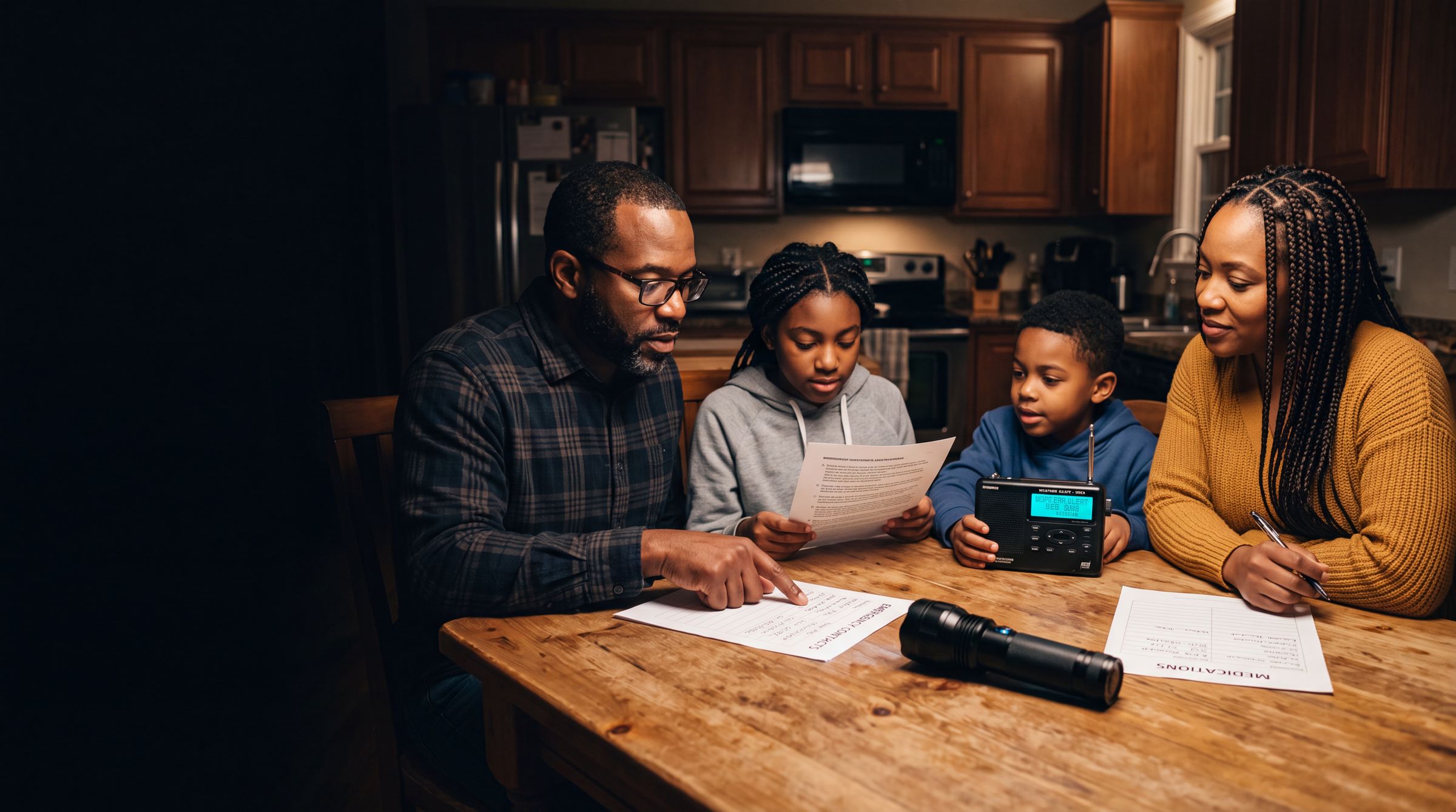
When Disaster Strikes, Your Family Is the First Response Team.
Hurricanes, wildfires, power outages, pandemics, and other emergencies can change your family's situation in minutes. BEAST turns your location, household needs, supplies, and risks into a practical family emergency plan.
BEAST: Build·Event·Assessment·Strategy·Tactics
Prepare before it happens. Understand what changed. Decide what your family should do next.
ZIP only. Never your street address.
See How BEAST Works
Readiness
Five stages. One family plan.
BEAST teaches your family how emergency managers think, then turns that thinking into a household plan. Build your capability. Understand the event. Assess the impact. Choose the strategy. Execute the tactics.
Prepare for what is likely, then build for what is possible.
A good plan starts with location. BEAST uses regional hazard data, official sources, and your household profile to identify the events most likely to disrupt your family. Enter your ZIP above to see your Family Risk Brief here.
The hazard may be regional. The impact is personal.
The same extended power outage, four very different nights. Hover or tap each household to see what changes first for them.
Same outage. Four different first moves. That is why BEAST plans start with your household, not a generic checklist. Now tap what applies to your household:
The storm is only the first problem.
Most families plan for the event. The disruption that actually tests them arrives afterward, one domino at a time. Tap any step to see the move that softens it.
Know what is covered and what still needs work.
BEAST organizes preparedness into five capabilities. Complete small actions, close the most important gaps first, and see your family plan grow stronger.
| Capability | Score | Suggested action | |
|---|---|---|---|
| Know | 70 | Turn on local emergency alerts | |
| Decide | 35 | Choose two reunification locations | |
| Supply | 45 | Add a three-day water reserve | |
| Coordinate | 55 | Confirm an out-of-area contact | |
| Practice | 20 | Run the first decision drill |
Choose a nearby meeting place and one outside your neighborhood. This takes less than five minutes and closes a major family-separation gap.
When conditions change, know which plan you are using.
Four decisions cover almost every event. Decide them in calm daylight, and the pressure moment becomes a checklist instead of an argument.
 Normal → Decision
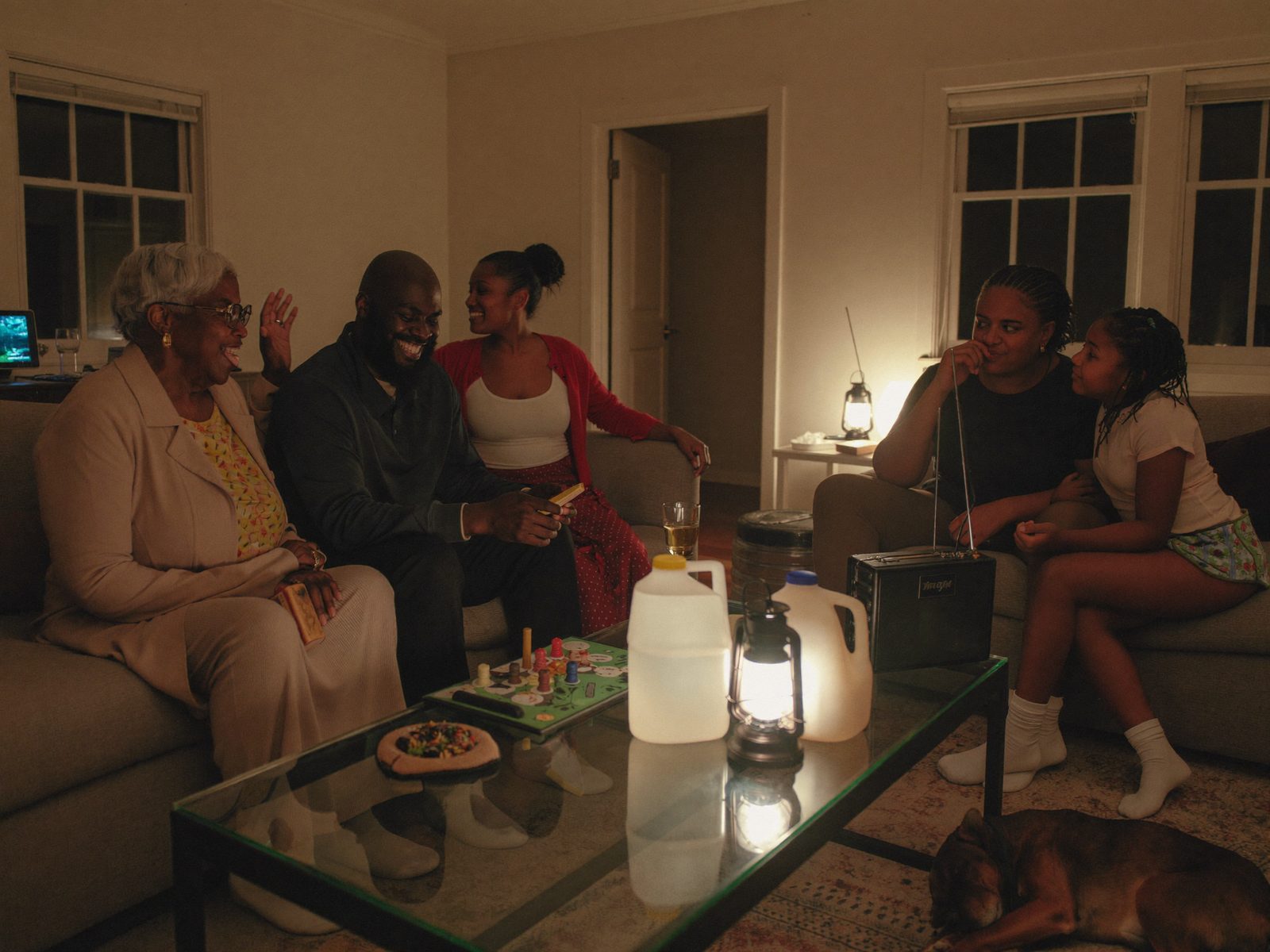
Remain home with enough water, food, medication, sanitation, information, and backup power to operate through a disruption.
"Could your home run for 72 hours with no power and no store runs?"
Build a Stay Plan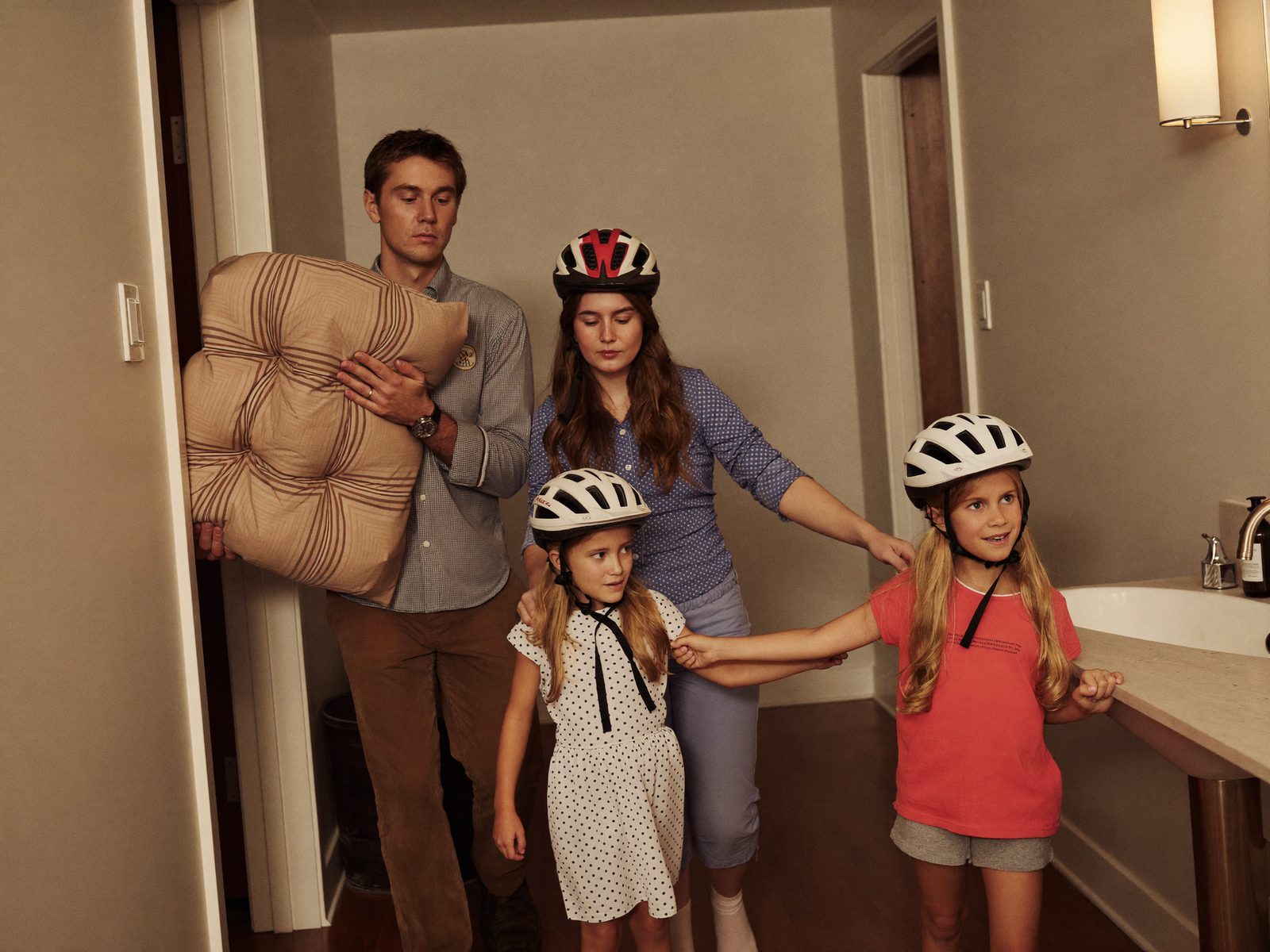 Normal → Decision
Move to the safest place inside your home for severe weather, outside air hazards, or immediate danger.
"Can everyone reach your safe room in under sixty seconds — at night, half asleep?"
Choose My Safe Areas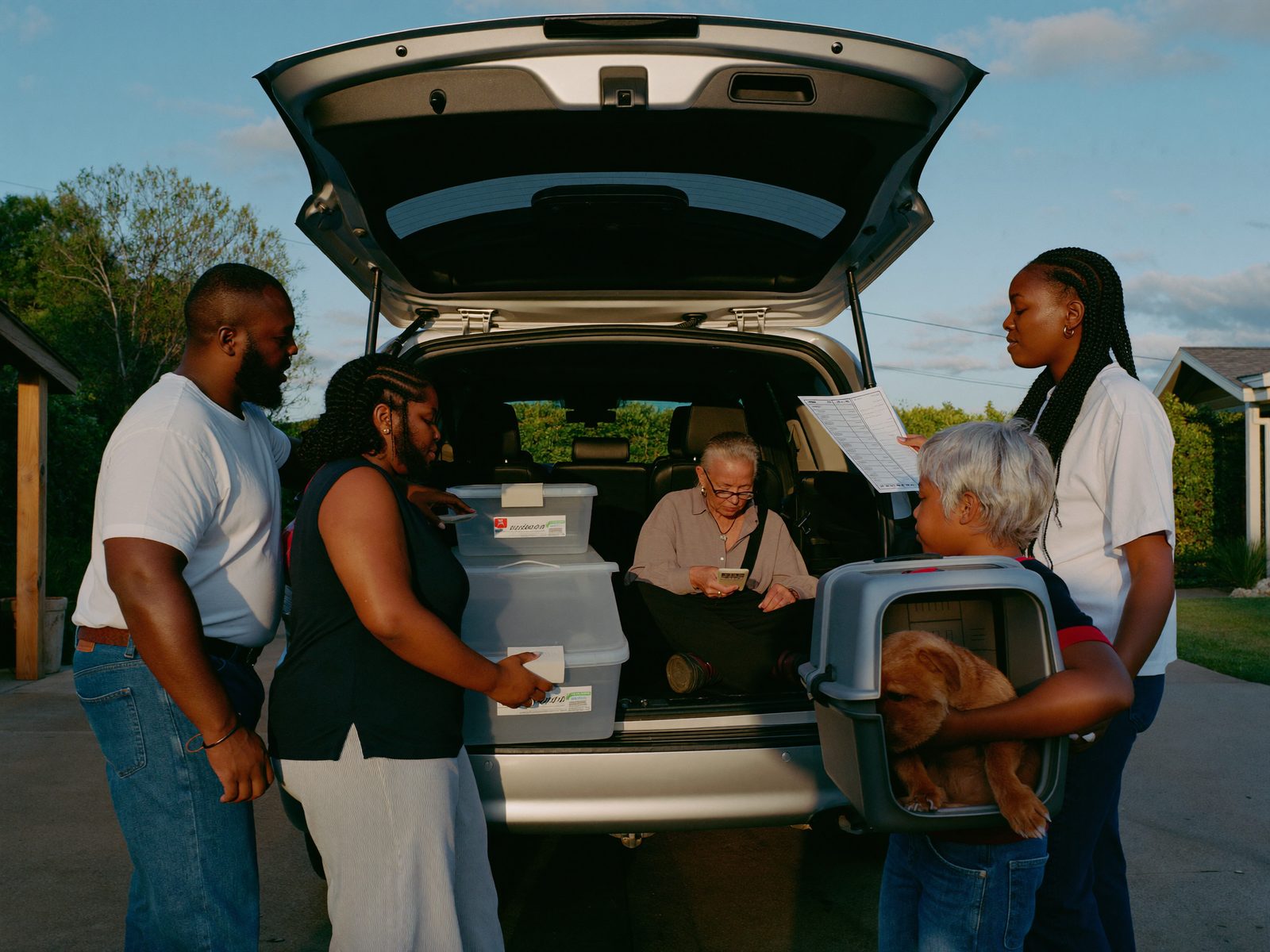 Normal → Decision
Know what triggers evacuation, where you will go, how you will get there, and what you will take.
"What condition means your family leaves — and who makes the call?"
Build an Evacuation Plan Normal → Decision
Plan how family members will communicate and reconnect if home, school, work, roads, or cellular service are disrupted.
"If phones fail at 3 PM on a school day, where does everyone go?"
Create a Reunification PlanPractice the moment before it becomes real.
Short decision drills help your family think through pressure while there is still time to talk, change the plan, and fill the gaps.

Power Outage · Hour 6
It is 92°F outside. Your neighborhood is without power, restoration time just changed to "unknown," phone batteries are dropping, and one family member uses medication that must stay cool.
What is your trigger for leaving home?
Start with the next right move, not a giant shopping cart.
Everything in a family kit is ordinary and affordable. The value is not the gear — it is having it gathered, working, and where everyone can find it.
Tonight
- Choose meeting places
- Select an out-of-area contact
- Save critical phone numbers
- Find the safest room
- Turn on official alerts
This Weekend
- Store initial water and food
- Gather medications and documents
- Build basic home and vehicle kits
- Test flashlights and backup chargers
- Walk the evacuation route
This Month
- Build toward seven days of capability
- Add backup cooking and sanitation
- Review insurance and photograph property
- Plan for power-dependent needs
- Run a family drill
Stronger Over Time
- Add redundancy
- Build fourteen-day capability where practical
- Maintain rotating supplies
- Strengthen the support network
- Review the plan every season
Your private Family Operations Center.
Keep the plan, contacts, roles, supplies, and practice history together. When the situation changes, your family should not have to search through old messages and scattered documents.
Privacy: BEAST uses your ZIP code for regional planning by default. A precise address is only requested when a feature truly requires it, with an explanation and a skip option. Your plan lives on your device.
Help is a system. Systems take time.
Emergency assistance does not move directly from a warehouse to your front door. Roads, staffing, fuel, communications, damage, distance, and local distribution all affect how quickly resources reach a community. Your family plan helps bridge that gap.
Conditions change for a whole region at once — not just your street.
Fire, EMS, police, and utilities triage the most life-threatening situations before anything else.
Mutual aid, the National Guard, and state logistics spin up — this takes hours to days.
Bottleneck: staffing & assessmentSupplies, crews, and equipment start traveling — often from other states.
Bottleneck: distance & fuelResources concentrate at distribution points before they fan out.
Blocked roads, fuel supply, communications, and damaged infrastructure set the pace.
Bottleneck: roads & communicationsPoints of distribution, shelters, and local partners hand off to neighborhoods.
Your plan covers the gap between step 1 and step 8 — that gap is measured in days, not hours.
This is how response logistics work everywhere, run by people working as fast as conditions allow. The plan is not a substitute for help — it is what carries your family until help arrives.
Built from real response experience. Designed for real family life.
BEAST was created from decades of emergency logistics and response experience across hurricanes, disease outbreaks, cold-chain operations, national exercises, and large-scale public health missions. The lesson is consistent: plans fail when they ignore people, timing, dependencies, and the decisions that must be made before help arrives.
BEAST brings that operational thinking home, without turning your home into an emergency management office.
More than two decades in emergency response and medical logistics
Experience supporting more than 100 response missions and exercises
Work across hurricanes, outbreaks, complex logistics, and public health emergencies
Training experience with state, territorial, and response partners

Emergency logistics and response operations across Katrina, Ebola, COVID, and national exercises. BEAST is that experience, brought home.
Give your family a plan before the pressure arrives.
Start with your location. Add what makes your household different. Leave with a clear list of what to decide, what to gather, and what to practice.